If you need commercial painting in Johnson County, the paint is the simple part. The hard part is getting it done while customers, patients, tenants or employees still need the space. Johnson County Painting has painted commercial properties around the Kansas City metro since 1981, and every commercial job starts with a plan for what gets painted when.
Appearance matters more to a business than to a house. In a Morpace consumer survey reported by Retail Customer Experience, 95 percent of shoppers said exterior appearance is important when choosing where to shop, and more than two-thirds said they had avoided a business because of how it looked. Faded trim, peeling doors and scuffed lobby walls send a message before anyone says hello.
Commercial Painting Services for Offices, Retail, Restaurants and Common Areas
- Offices: suites, conference rooms, break rooms, hallways and reception areas.
- Retail and restaurants: sales floors, dining rooms, restrooms and back-of-house areas.
- Medical and professional offices: waiting rooms, exam rooms and corridors.
- Churches and community buildings: sanctuaries, classrooms and fellowship halls.
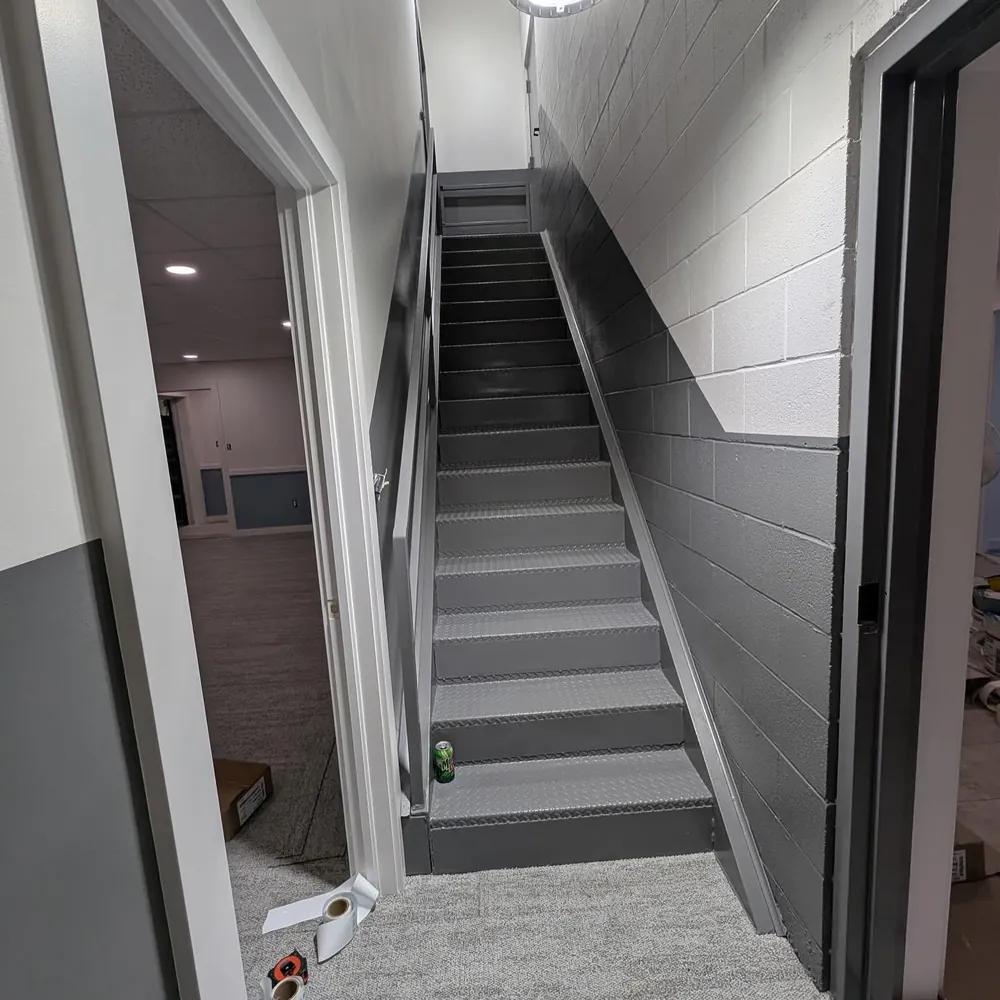
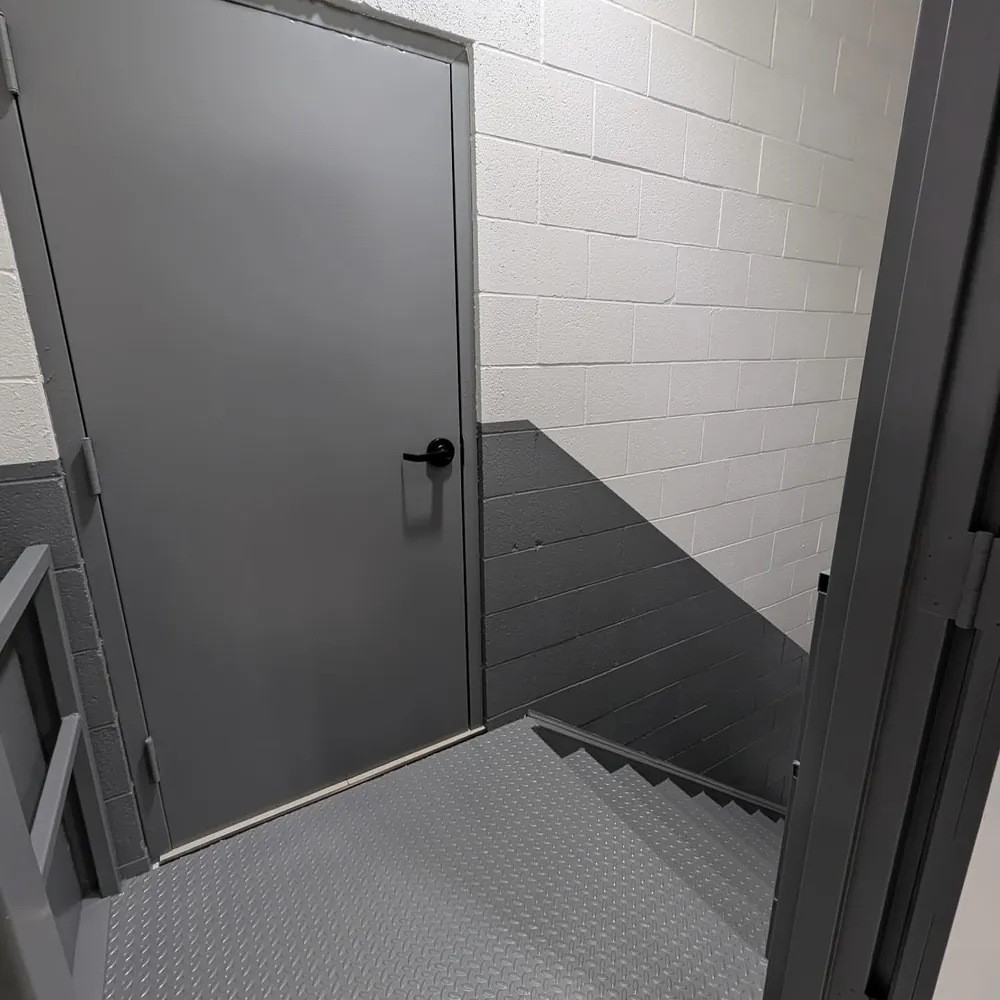
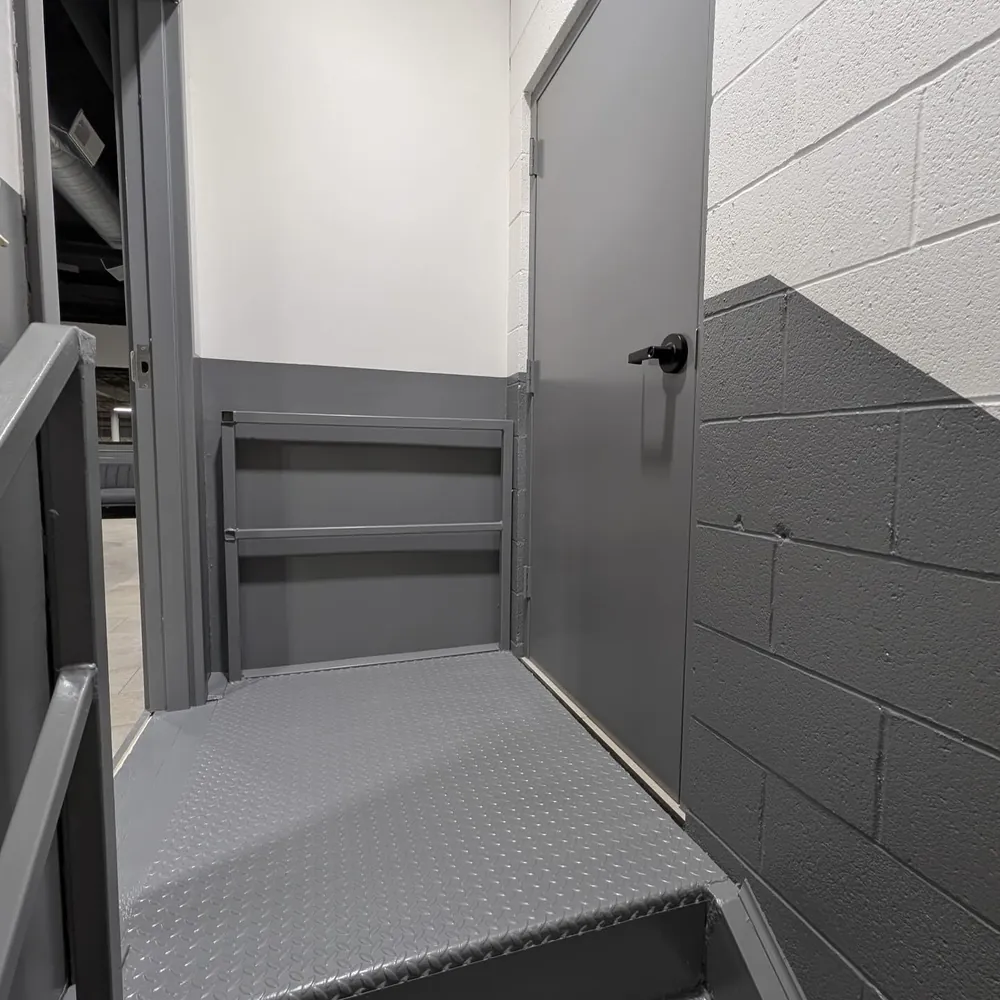
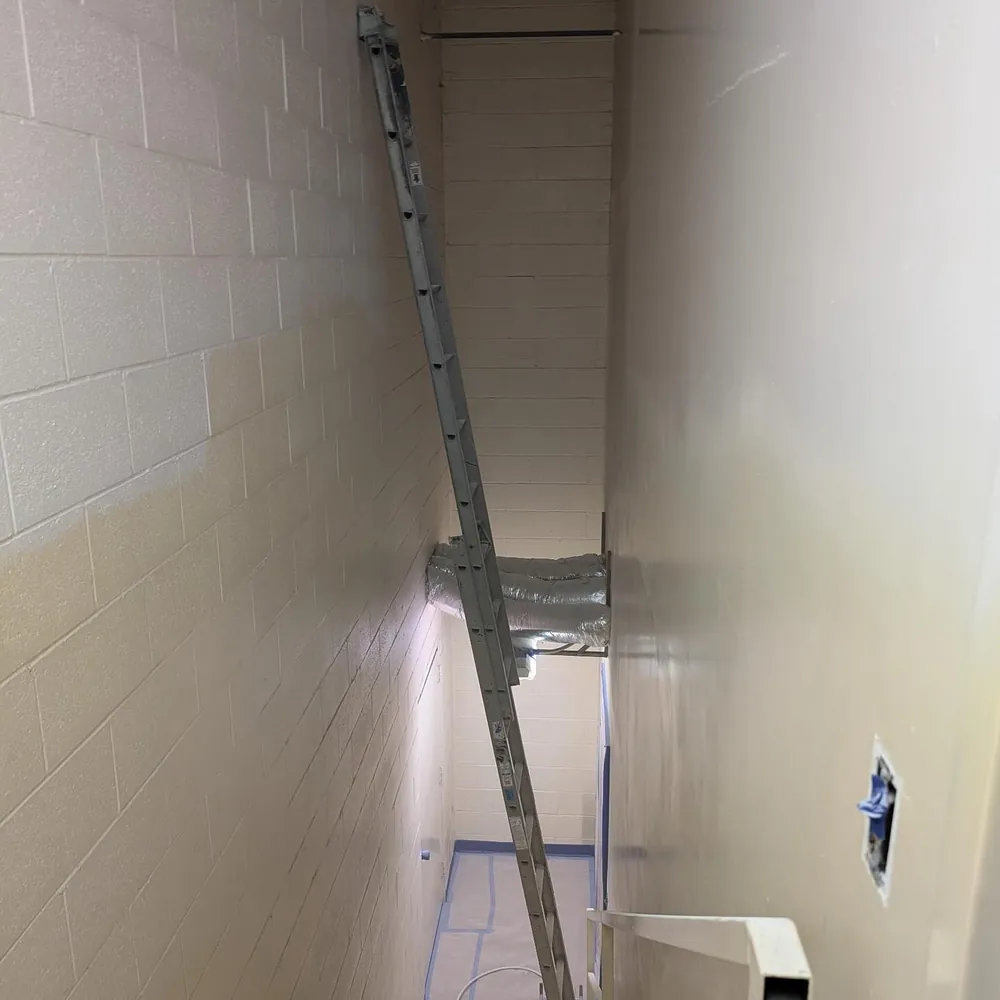
- Multi-unit common areas: lobbies, stairwells, corridors and units between tenants.
- Exteriors: storefronts, trim, doors, railings, metal and previously painted masonry.
When It's Time to Repaint a Commercial Space
- Scuffed corridors and chipped door frames in high-traffic areas.
- A rebrand, a new tenant or a change in how the space is used.
- Peeling or faded paint on storefront trim, doors and railings.
- Lease terms or inspections that call for fresh paint.
- Selling or leasing the property.
Some owners repaint on a schedule rather than waiting for wear. The federal government's standard lease, for example, requires landlords to repaint common areas at least every three years, and GSA guidance for its child care facilities says to plan on repainting about every three years as well.
How We Run a Commercial Painting Job
Site walk and free estimateWe walk the space with you, note surfaces and repairs, and talk through hours, access and areas that must stay open.
Phasing planThe job is broken into sections so only part of the space is out of use at a time.
Protect the spaceFloors, fixtures, furniture and equipment are covered, and work areas are marked off.
Prep and paintPatching, sanding, caulking and priming, then finish coats suited to the traffic each area gets.
Section-by-section cleanupEach area is cleaned and handed back before we move to the next.
Final walk-throughWe go over the finished space with you or your property manager.
Coatings for Commercial Spaces
| Area | Typical finish | Why |
|---|
| Offices, conference rooms | Eggshell | Low glare, wipes clean, hides wall flaws |
|---|
| Corridors, stairwells, break rooms | Satin or semi-gloss | Holds up to carts, bags and constant contact |
|---|
| Restrooms, kitchens | Semi-gloss | Handles moisture and frequent cleaning |
|---|
| Doors, frames, trim | Semi-gloss enamel | Hard surface for heavy handling |
|---|
| Exterior trim, doors, metal | Exterior acrylic, metal primer where needed | UV and weather resistance |
|---|
In occupied buildings, low-odor, low-VOC coatings are worth asking about. The EPA notes that indoor concentrations of some pollutants are often 2 to 5 times higher than outdoors and lists paints among the sources. Federal rules cap flat coatings at 250 grams of VOC per liter; the Green Seal GS-11 standard caps them at 50.
What Affects the Price of Commercial Painting
- Square footage and wall height, including tall lobbies and open ceilings.
- Access and scheduling. Work phased around an open business takes longer than an empty space.
- Surface condition and the amount of patching.
- Coating type: standard wall paint versus enamels for high-traffic or wet areas.
- Exterior factors: height, masonry, metal and the number of colors.
Commercial Painting Across Johnson County: Corporate Woods, College Boulevard and Prairie Village Shops
Johnson County's commercial property covers a wide range of ages and building types. Prairie Village Shops at 71st and Mission opened in 1947 as Johnson County's first planned shopping center. The College Boulevard and Metcalf area is Overland Park's largest concentration of office employment, anchored by Corporate Woods, whose first building went up in 1975. Lenexa and Olathe add life-science labs, corporate campuses and logistics parks along I-35, while the older downtowns in Shawnee and Lenexa mix early 1900s storefronts with new construction. Each of those needs a different approach to prep, coatings and scheduling.